
Welcome to the website of Laboratory Instruments Website

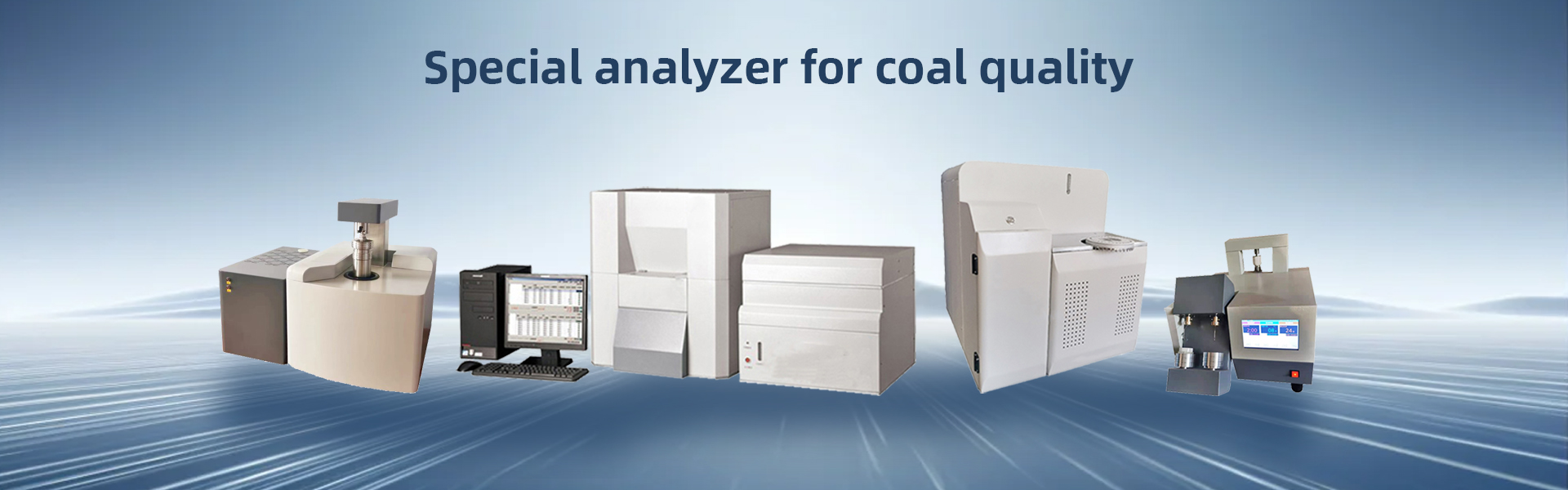
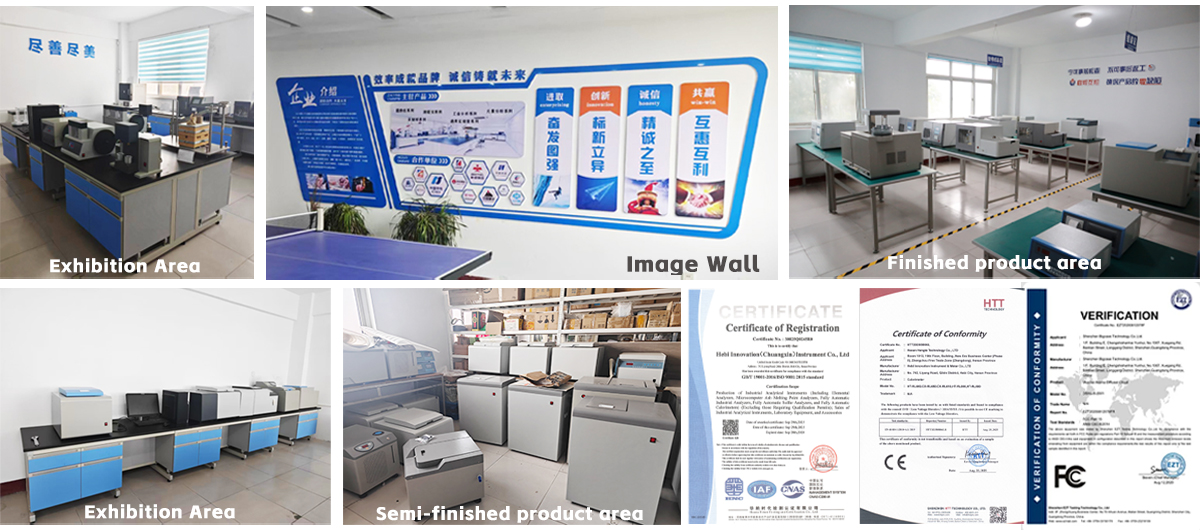
Hengte Technology was established in Zhengzhou, China on May 29, 2018. Since its establishment, it has been committed to continuously delving into the high-tech field and has gradually developed into a comprehensive high-tech enterprise integrating R&D, production, sales and import and export. The company has a modern factory covering an area of 2,000 square meters. 65 employees work together to promote the development of the company. Among them, 5 R&D engineers are dedicated to exploring cutting-edge technologies, and 8 after-sales engineers ensure that customers can use the company without worries.
The company specializes in manufacturing a wide variety of products, including laboratory instruments, coal quality analysis instruments, and oil analysis instruments. These products, with their high precision, high stability and outstanding durability, are widely used in multiple fields such as laboratories, coal, oil products, water quality, ores, cement and building materials, solid waste and garbage, agriculture, food inspection, and feed testing, becoming powerful assistants for quality control and research analysis in various industries.
Factory direct supply, more satisfactory price
Independent production line, strict quality control
Fast delivery without delay, urgent orders can be processed urgently
Support deep customization and provide OEM/ODM services
Timely response to after-sales issues, with a team of engineers following up throughout the entire process
Long term stable supply with no risk of stockout
20 years of industry experience, serving over 3000 corporate clients
Complete quality inspection report and certification
Free warranty, lifetime service


30
2026 - 03
Understanding the Working Principle of Coal Sulfur Analyzers Coal sulfur analyzers are indispensable instruments in the modern energy and industrial sectors, designed to accurately determine the sulfur content in coal samples. The precise measurement of sulfur is critical due to its direct impact on environmental pollution, equipment corrosion, and regulatory compliance. The most prevalent and advanced technology employed in these analyzers is based on high-temperature combustion coupled with infrared detection. This method is renowned for its accuracy, speed, and reliability. The analysis process begins with the preparation of a representative coal sample, which is finely ground and weighed. This sample is then placed in a ceramic combustion boat and introduced into a high-temperature furnace. Within this furnace, the temperature is rapidly elevated to approximately 1350°C in an oxygen-rich environment. At this extreme heat, all sulfur compounds present in the coal—including pyritic, sulfate, and organic sulfur—are completely oxidized and converted into sulfur dioxide (SO₂) gas. The generated combustion gases, now containing SO₂, are carried by a flow of purified oxygen through a series of filters and drying tubes. These components remove dust particles and moisture, ensuring that only clean, dry gas enters the detection chamber. The core of the measurement lies in the infrared (IR) absorption cell. SO₂ molecules absorb infrared radiation at specific characteristic wavelengths. The analyzer measures the attenuation of IR energy as it passes through the gas cell; the degree of absorption is directly proportional to the concentration of SO₂ in the gas stream. A sophisticated electronic system converts this absorption signal into a digital reading, which is then calibrated to display the total sulfur content as a percentage of the coal sample’s mass. This entire process is automated, often completed within a few minutes, providing results with high precision. Key Applications of Coal Sulfur Analysis in Industry…
30
2026 - 03
Analysis of the Core Functions of Calorimeters in Coal Testing In the trading, pricing, and efficient utilization of coal, its calorific value (or heating value) is one of the most critical indicators. Calorimeters, especially oxygen bomb calorimeters, are core instruments specifically designed for the precise determination of the calorific value of solid fuels such as coal. Their core function lies in scientifically measuring and calculating the total heat released per unit mass of coal by simulating the complete combustion process of coal in a sufficiently oxygen-rich environment. This process not only provides a quantitative basis for coal quality assessment but also forms the foundation for subsequent industrial applications and energy settlement. Specifically, the core functions of calorimeters in coal testing are mainly reflected in the following aspects: Precise Measurement of Bomb Calorific Value: This is the most direct function of a calorimeter. A prepared coal sample is placed in an oxygen bomb filled with high-pressure oxygen and ignited by an electric current, allowing for complete combustion. The heat released during combustion is absorbed by a water jacket or water bath with known heat capacity. By measuring the precise change in water temperature, the bomb calorific value of the coal sample can be calculated. This data forms the basis for calculating other forms of calorific value. Providing Key Calculation Parameters: When coal burns in an oxygen bomb, sulfur and nitrogen react to form sulfuric acid and nitric acid, accompanied by an exothermic reaction. The calorimeter’s measurement results include this heat. Therefore, through calorimeter experiments, the acid formation heat data necessary for correcting the bomb’s calorimeter reading to more closely approximate the higher and lower heating values under actual industrial boiler combustion conditions can be obtained. Ensuring Standardized and Comparable Testing: Modern calorimeters operate strictly in accordance with international (e.g., ISO), national…
08
2025 - 09
The thermal method is a method of sterilizing using high pressure steam or high temperature water in an autoclave. Due to the microbial environment in the hot and humid environment, some important proteins are denatured and solidified, which will cause the microorganisms to die, thus achieving the purpose of sterilization. Microorganisms can be killed at relatively low temperatures under hot and humid conditions compared to dry heat sterilization. The conventional operating temperature of the autoclave is 121 ° C, the time is 10 ~ 20 min; 115 ° C can also be selected to achieve the same killing effect, the general time is 45 min. Thermal methods are methods of sterilization in specially designed sterilization equipment where the temperature within the equipment is controllable by gas or electrical heating. Dry heat sterilization is based on incineration or oxidation to dehydrate and kill microorganisms for sterilization purposes. Since dry heat sterilization is less effective in killing microorganisms, higher temperatures and longer times are required. The specific temperature and time should be determined according to the size and type of the product, the container and its heat distribution characteristics. In general, the individual unit to be sterilized should be as small as possible, and the hot air should be able to circulate freely in the equipment container chamber when the sterilization equipment is loaded. The temperature of dry heat sterilization is usually 160 to 170 ° C, and the time is ≥ 2 h. Higher temperatures reduce time, whereas lower temperatures take longer.
08
2025 - 09
Our company has been engaged in the production and sales of laboratory equipment for many years, and has rich experience in laboratory equipment. I hope the following management methods for laboratory equipment can provide you with some reference and ideas. Laboratory instruments and equipment are very important. Instruments are the “soul” of the laboratory. Without instruments, experiments and tests cannot be done. Therefore, instruments and equipment play an irreplaceable role in the laboratory and are the most important assets of the laboratory. So, how to manage scientifically and keep the instrument in good condition? Instrument and equipment procurement plan managementTo formulate the use plan of the instrument, it should be combined with the work task, the technical level of the user, the installation ability and conditions, and the funds.The purchase of instruments and equipment should proceed from the actual situation, in line with the principles of use and economy, and select instruments and equipment with good quality, stable performance, and that can meet the work requirements.Proofs must be strengthened for plans for expensive instruments and equipment. Specific users should go to the manufacturer to learn about the model, performance and quality indicators of the instrument, and go to the user unit to learn about the shortcomings and practical value of the instrument. Laboratory managers should choose instruments and equipment that meet the technical requirements of the specific standards of the experiment according to specific needs.According to the situation of the laboratory, the laboratory management personnel will purchase instruments and equipment from the person in charge of the relevant laboratory, and then conduct market research after approval by the person in charge of the laboratory, and then select the relevant equipment supplier for bidding or directly go to the relevant instrument and equipment Manufacturers purchase. Equipment installation acceptance, file managementAfter the…
08
2025 - 09
A vacuum pump refers to a device or device that uses mechanical, physical, chemical or physicochemical methods to evacuate the evacuated container to obtain a vacuum. Generally speaking, a vacuum pump is a device that uses various methods to improve, generate and maintain vacuum in a certain closed space. Generally, there are two types of vacuum pumps used in laboratories: vacuum filtration and vacuum drying. Vacuum filtration is generally matched with various laboratory vacuum filtration devices, such as solvent filters, sand core filter bottles, Buchner funnel filter bottles, bottle top filters, microbial limit detection filter devices, multi-filters, etc. Simply put, it is an application that uses vacuum pumps, micro vacuum pumps and other equipment that can provide vacuum to speed up the separation of solid and liquid mixtures. Vacuum filtration is often used in medical and scientific research experiments. Therefore, under normal circumstances, large vacuum pumps with bulky, high noise, and high power consumption are not suitable. Micro vacuum pumps and small vacuum pumps are commonly used. Vacuum drying is a method of reducing the boiling point of liquid under low pressure and boiling and evaporating at room temperature, so that the sample can remove water or solvent, so as to increase the concentration of the sample or crystallize it. Vacuum pumps are generally used in conjunction with a variety of instruments in the laboratory, such as vacuum filters, waste liquid extractors, rotary evaporators, vacuum drying ovens, freeze dryers and other equipment. The most used and most important ones in the laboratory are oil-free piston type (mostly used for microbial detection) and corrosion-resistant diaphragm type (mostly used in chemical laboratories). The piston type is generally used for vacuum filtration, microbial detection, and waste liquid. Extraction, vacuum drying oven and other equipment supporting the use. The corrosion-resistant diaphragm type is generally…
08
2025 - 09
This article provides a comprehensive understanding of water content determination in petroleum products, including sources, forms, hazards, and methods of measurement. It emphasizes the importance of accurate water content analysis for ensuring product quality and preventing performance issues in various industries such as petroleum, chemicals, power, and more. 1. Sources of Water Content in Petroleum Products: (1) Water Contamination during Storage and Transportation Water can get mixed into petroleum products during storage, transportation, refueling, and usage due to various reasons. Residual moisture in containers, inadequate sealing of storage tanks, ingress of rain, snow, or frost during refueling, as well as condensation of water vapor, can all lead to the presence of water in petroleum products. (2) Dissolved Moisture from Air Petroleum products, especially light fuels, have a certain degree of water solubility. With increasing temperature, humidity in the air, and aromatic hydrocarbon content, the water solubility of light fuels also increases. Gasoline and kerosene do not readily mix with water but can contain up to 0.01% dissolved water. 2. Forms of Water Presence in Oil Products: (1) Suspended Water Water is suspended in the form of small droplets in the oil, forming cloudy emulsions or colloids. This phenomenon commonly occurs in high-viscosity heavy oils, with protective films formed by cyclic acids, colloidal substances, clays, and more. In such cases, water is difficult to separate by sedimentation and requires special dehydration methods. For example, air agitation and heating or vacuum drying methods are used to remove water from water-containing lubricating oils. (2) Dissolved Water Water is uniformly dispersed in molecular form among hydrocarbon molecules, known as dissolved water. The solubility of water in oil depends on the chemical composition of the oil and temperature. Alkanes, cycloalkanes, and olefins generally have weaker water solubility, while aromatics can dissolve more water. Higher temperatures result in…